T-2 Diabetes Remission: How I Did It.
I posted here and on social media that my type-2 diabetes is now in remission. Several people asked how I’d done it, and this is to outline what I did and why. It’s a long post and I look at
-
- how I approached my diagnosis,
- what I did and
- the outcomes. Note: at no time was medication involved.
Disclaimer: I’m not a doctor. This is what worked for me, but my body is not your body, your mileage may vary, objects in the mirror may be closer than they seem, etc.
note: this post was lightly revised 7 and 11 April for clarity.
Approach
The starting point was my initial consultation with the doctor in November 2021. She recommended that I look at ‘lifestyle’ issues before any consideration of pharmaceutical or other medical intervention. She also pointed me towards the work of Dr Michael Mosley. I wasn’t immediately familiar with Dr Mosley’s work, although when I watched a couple of documentaries he made for the BBC, I remembered seeing one of them previously. I’m wary of popular gurus with books to sell, but reckoned that if my doctor suggested that there was benefit in having a look then I should. I bought one of Dr Mosley’s books and followed the advice given there. I didn’t follow it exactly, but reasonably closely.
***
Type-2 diabetes arises from the body’s difficulties in dealing with glucose in the blood. My approach to it was two-pronged: stop putting so much glucose into my body, and deal with the glucose that was already there.
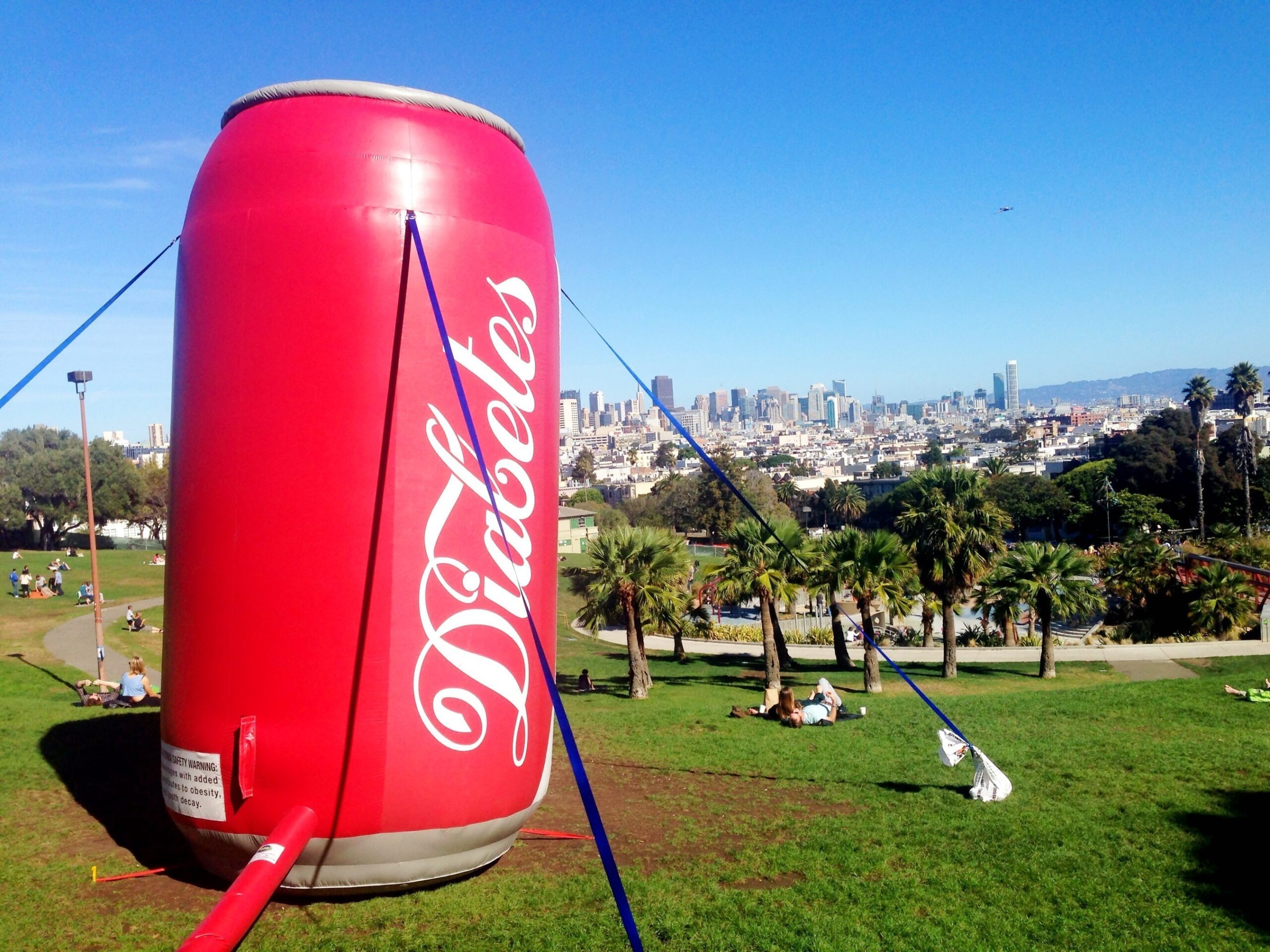
Speaks for itself.
Now, you can’t avoid glucose going into your bloodstream. Sugars, as carbohydrates, are one of the principal food groups. Therefore, the decision to stop putting glucose into my body was really an issue of deciding what carbohydrates to eat and, importantly, what not to eat. Put simply, I cut out all refined sugar and made an effort to pick out low glycaemic index carbohydrates using the University of Sydney guidance.
Cutting out all refined sugar meant looking at labelling because industrial processed foods are full of refined sugars, even if they’re labelled as ‘healthy’. I very quickly decided that, to the extent possible, I’d simply stop eating processed food and cook as much as I could from fresh ingredients. From the outset, I made a conscious decision to reduce portion sizes in the evening to, essentially, child-sized.
If that looks like a keto diet, that’s because it is, and for the first three or four months after the diagnosis, I was pretty strict with myself. I didn’t go full-on keto, but came quite close to it. After the first four months, I shifted from a very low carb. diet to a balanced carb diet.
Also, I treated (and continue to treat) refined sugar as my enemy, exactly as I do tobacco and tobacco smoke.
The second part of the process was what to do about the glucose already in my system. The body gets energy from the calories that you put into it. In principle, putting in fewer calories than you use leads to weight loss. But there’s more to it than that. The body will first go to glucose for fuel, and what it doesn’t burn gets stored as fat. That isn’t just the obvious fat on your body, but the hidden (visceral) fats that accrete to your organs. When carbohydrate input is restricted and exercise increased, the body burns those stored fats and that leads to weight loss.
That’s the theory: what did it all mean in practice?
What I did
- Most days I had a decent breakfast, little or no lunch, and a child-sized evening meal. I still do that. Breakfasts might be porridge, traybakes, fruit and yoghurt or similar. I’m very fond of cooking asparagus and tomato in the juice of half a lemon with a sprinkle of sea salt. Scrambled eggs with a dash of chilli flakes in the mix is good too. I eat plenty of salad leaves. I toyed with veggie sausages in the traybakes but, ironically enough, they’re highly processed, so I cut them out. I eat a lot of eggs, usually poached.
- Suppers were drawn from keto, vegetarian or ‘Mediterranean’ recipes. For me, they involved almost no potatoes and limited rice and pasta. A bonus is that the meals I prepare are popular with the family too. I am not vegetarian, but a lot of what I eat is.
- For the first four months, I cut out almost all booze. I do drink moderately, but these days it’s mostly red wine rather than beer.
- For the first four months, I cut out all commercially-made bread except Ryvita crispbread. I later went back to eating bread, but it was homemade. Bread is an issue and I probably went back to eating it too much. This is something I’m focusing on for the coming year.
- I had no problem with fruit (but NOT fruit juice). I did eat a little chocolate, but 85% cocoa dark chocolate, and not much of it. I make biscuits with whatever combination of ground almonds, desiccated coconut, rolled oats and all-purpose flour I feel like, bound with vegetarian ‘butter’ and a little honey or maple syrup for residual sweetness. These are popular with the family too. I neither like nor use artificial sweeteners. Note that, for the coming year, I’m going to focus my attention on what fruits I eat. More on this in future posts.
- If peckish, I find that a sachet of miso soup and hot water does the trick (So does a glass of water.)
- Fat: I don’t overdo it, but I have not put any effort into cutting fat. I like goat cheese and sometimes put feta in scrambled eggs or omelettes. I eat natural Greek yoghurt every day; before this I didn’t eat yoghurt at all. With less glucose in my blood, the fat is burned off naturally. As an aside, based on browsing in, mainly, New Scientist, I am sceptical about the actual relationship between dietary fat and visceral fat/cholesterol if refined sugar is present too [added: more on this to come. It turns out there is little or no dietary cholesterol impact on serum cholesterol].
- I try not to eat or snack between around 18.30 and 08.00.
- I don’t worry about the occasional doughnut or piece of cake or bottle of beer or portion of chips (fries) or what have you, but not many of them and not often.
- I already did a lot of walking and had done during the lockdown months. I have an exercise bike in the garage. I knew that I wanted to return to running, but I also knew that I was overweight and had to ensure that I wouldn’t hurt myself by doing things too quickly. When I’d lost quite a bit of weight from the diet, the exercise bike and walking, I built in a couch-to-5K routine. In time, I was running at least one 5K a week. I wasn’t going fast, but that wasn’t the point. I also tried to get to the local swimming pool a couple of times a week. Last autumn, I took up Qigong, although for various reasons that fell by the wayside after Christmas.
I did other things that might be to do with my personality. The first is that I was open about posting about my diabetes and what I was doing about it on social media and in this blog. Secondly, I set myself targets and measured my progress towards them. These included weight loss and reduced clothing sizes. Blood test results tracked underlying progress. I was long-ago warned about the dangers of weighing myself daily because of natural variations in weight, but I’m enough of a nerd to have weighed myself every morning, noted the weight on a spreadsheet and auto-calculated running 5-day mean and median weights to show trends. That way I could spot if I actually was gaining weight or if it was just a natural blip.
Outcomes
The first thing that happens when you stop eating sugar is that your face gets thinner. That happens quite quickly. My glasses, previously quite a close fit, were slipping off my face to the extent that I needed to get cords to loop around the legs. My 38” waist jeans became 36” and then 34” after only 4 months. I’m now in 30” and would like to get into 28” by the end of this year (although that’s more from vanity than necessity).
I feel much better generally, and have a better understanding of how my body reacts to food. It’s worth saying that I enjoy what I eat and drink – no aspect of this feels like something I’m forcing myself to endure (except for the cauliflower rice – that was awful and quickly put in the bin.)
In terms of actual numbers:
| Oct-2021 | Feb-2022 | Mar-2023 | |
| HbA1c (mmol) | 52 | 37 | 31 |
| Total cholesterol (mmol) | 4.7 | 4.7 | 4.8 |
| HDL (mmol) | 0.9 | 1.1 | 1.4 |
| LDL (mmol) | 2.9 | 2.9 | 2.8 |
| Triglycerides (mmol) | 2 | 1.6 | 1.4 |
| BMI | 35.9 | 30.3 | 26.8 |
| Waist size | 38” | 34” | 30” |
(Note, these are UK figures: I think US readers might be used to seeing results presented differently.)
So what now?
My doctor is happy with where the numbers are, so the general aim for the next year is to keep things stable. He’s content with my weight/BMI in the context of a 63-year-old man coming off the back of a brush with type-2 diabetes, and suggested that I don’t go out of my way to lose too much more weight.
I’m OK with that, but I would like to tone up my tummy a bit more – mainly through swimming, I think. Also, I’d like my 5-day mean and median weights to be in a range about 1.5 kilo lower than they actually are at the moment. Once I get to that point I’ll be content to remain there, especially if I can drop one more waist size in the process. I’ll also pick up the running again – I’ve laid off over winter – but having got to 5K last year, I don’t see any need to do it again. If I can standardise on the run round our local hill (about 3.5K) then I’m good with that along with my swimming. At some point this year I’ll return to Qigong and then Tai-chi.
I don’t plan to change my diet, but do want to expand my repertoire of recipes. This is likely to be ‘Mediterranean’ in nature, including North African. It will include red wine. I wouldn’t complain if my total cholesterol came down a tad, but exercise should take care of that in the long run if I continue to restrict carbs.
Also, I’m aware that my diabetes is in remission but still lurks as a possibility for the future. There is a danger in getting complacent and losing what I’ve gained. I’ll know how that’s going in a year when I get my next checkup, but look out for another post here on my plans for 2023/24..
One final thing (and I got some pushback on Twitter for saying this): I’m retired and live on pensions, but even so it helps that I can afford to eat healthily and well. Good fresh food tends to be more expensive than processed food and takes a wee bit more effort to prepare. I have views on this, as well as food labelling and the bombardment of ads for sugar and sugar derivatives, but they are for another day.
***
If any of this is helpful to you, that’s great. If you have any questions then ask them with the proviso that I am not a doctor and all I can say is what worked for me. If you find yourself where I was in late 2021, then talk to your doctor.
And remember kids: always treat refined sugar and processed food as your enemy. Always.
Recent Comments