
Cinema Poster
One of the albums I want to write about is the Grateful Dead’s Live/Dead, but there’s a problem: according to Discogs it was released in both the US and UK in November 1969, but reviews don’t appear in the UK until March/April 1970. I don’t know why that is. It could be delayed availability in the UK or perhaps it wasn’t something anyone was in a hurry to review.
What is known, though, is that part of Dark Star from Live/Dead appears on the soundtrack to Michelangelo Antonioni’s Zabriskie Point. Both the film and soundtrack album were released on 9 February 1970, though the film was screened for review prior to that, and was promptly panned by critics, especially American critics.
I’ll return to the soundtrack album tomorrow, but today I want to consider the film.
I first saw Zabriskie Point on late night TV, probably on BBC 2. I think my Dad watched it with me, so it must have been before December 1983. I really wasn’t sure what to make of it then, nor on the occasions I caught it on TV since (which is not often). Like everyone else I was captured by the extended ‘exploding house’ sequence at the end, but the scenes leading up to that were lost on me. Watching it again today, and looking back at the criticism of the time, has been fascinating. The film is now described in some circles as a masterpiece; I don’t think it is quite that, but I don’t think it’s far off it either.
We have to start with the obvious statement that Zabriskie Point is not an American film. It isn’t American in conception, execution, tone, pacing or dynamics. It is a film by an Italian modernist that takes America as its subject and object. The notion that there is a lack of nuance in the film misses the point: it is an attempt at a naturalist portrayal of an un-nuanced society. It makes little or no attempt to hide Antonioni’s contempt for what he sees.
have you ever felt marginalised?
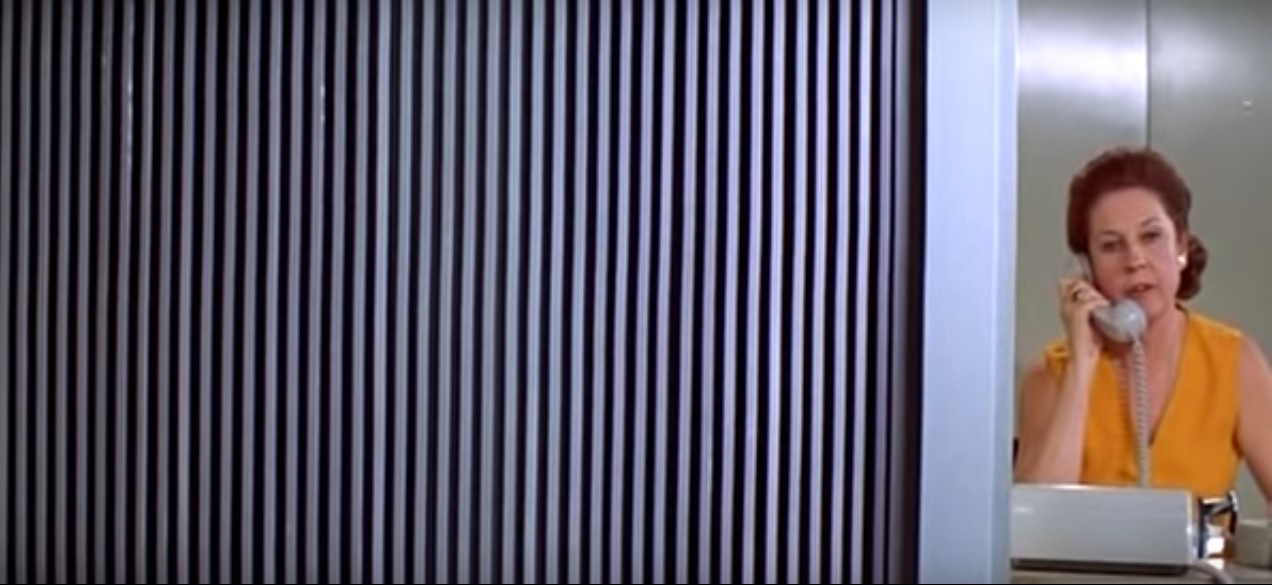
The film is full of images contrasting idealised representations of society and reality; of urban and rural wastelands, and the wilderness that developer Lee wants to exploit . ‘They should build a drive-in up here, they’d make a mint,’ says campervan man to his wife at Zabriskie Point itself, while Daria and Mark are rolling joyously naked in the dust below. The feral kids in the decaying town in the desert carry their own symbolism. The cops who shoot Mark are portrayed using the tropes of the Hollywood Wild West. The mocked-up advertising with models points to the facility of advertising itself
Much has been made of the acting and the casting of untrained performers for most of the parts; I think the only recognisable professional actor in the main cast is Rod Taylor as developer Lee Taylor, and I don’t think that’s an accident. These days, the use of untrained actors (and tolerance of silence and awkwardness) is the domain of David Lynch. In this case, if Antonioni was hoping for realism I don’t think it really worked, though Daria Halprin does well as the core representation of the turned-on counter-culture (Mark is just a rootless white straight who paints his stolen plane with appropriated symbols of a counter-culture of which he isn’t part). It’s the acting that keeps it back from being a masterpiece to my mind.
By the end, grieving for Mark, Daria sees through the moral emptiness of an exploitative, empty society in which wealthy Lee has a Native American as a housemaid. Leaving it behind, Daria imagines Lee’s house in the desert and all its contents exploding to the aural equivalent of Munch’s Scream, before she drives away. Is she radicalised or just dropping out? We don’t know, Antonioni doesn’t say.
I should add that the film is prescient in its opening sequence of campus trouble and its subtle teasing out of racial politics and radicalism. Zabriskie Point was made, released and reviewed before the murders at Kent State University on 4 May 1970.
The whole movie is on YouTube, but for now here’s the exploding house.

Recent Comments